
Preparedness Is Not Paranoia: It’s Personal Responsibility
With ongoing issues across the United States and around the world—and closer to home, recent flooding, transportation disruptions, and weather-related events—I’ve seen a clear uptick in community members seeking CPR, first aid, and survival preparedness training.

Preparedness is not new to our region. Many communities already have CERT teams, Search and Rescue groups, and emergency action organizations. Washington State, in particular, has no shortage of motivated volunteers and responders. However, one concerning trend I’ve noticed is a lack of broad, foundational understanding among everyday citizens when it comes to risk mitigation, emergency preparedness, and even basic first aid.
We could spend hours debating why these gaps exist—lack of education, overreliance on systems, busy schedules, complacency—but that discussion isn’t particularly productive. What is productive is outlining the core principles that actually matter when it comes to being prepared for everything from minor everyday inconveniences to major natural or man-made disasters.
Below are several foundational concepts I believe every individual and family should understand and actively work on.
Ignorance Is Bliss — Until It Hurts or Kills You

A lack of awareness about your surroundings, your community, and the broader environment is far more dangerous than many people realize. This doesn’t mean living in fear or obsessively watching the news—but it does mean paying attention.
You owe it to yourself and your family to maintain a basic understanding of:
What’s happening in your community
Seasonal and upcoming weather patterns
Infrastructure vulnerabilities (roads, bridges, power, water)
Social or civil disruptions that may affect travel or safety
Situational awareness starts long before an emergency happens.
Examples of simple, high-value awareness habits include:
Checking the weather forecast 7–14 days out for major rain, snow, heat, or cold events
Adjusting travel plans or supply runs before storms hit
Paying attention to planned protests, rallies, or large public gatherings so you can avoid them
Monitoring major highway closures or ferry disruptions
Noticing when local grocery stores are running low on essentials
Keeping a loose awareness of global events that influence fuel prices, supply chains, travel restrictions, or disease outbreaks
Being able to “see the writing on the wall” and act before a problem occurs is invaluable. These small actions reduce stress, prevent emergencies, and allow you to move from a reactive mindset to a proactive one.
Preparedness doesn’t start with gear—it starts with awareness.
Situational Awareness ≠ Paranoia
There is a significant difference between being aware and being paranoid.
Situational awareness means maintaining an understanding of what’s happening around you while continuing to live your life normally. It’s about recognizing risk early and avoiding it whenever possible.
Examples include:
Avoiding high-risk or poorly lit areas when alternatives exist
Being cautious in dim parking garages or isolated stairwells
Not walking with your face buried in your phone
Trusting your instincts and leaving an establishment if someone’s behavior raises red flags
Positioning yourself in public spaces where you can see exits and movement
The best defense against violence or injury is avoiding the situation entirely. Once you’re forced to react, your options become fewer and riskier.
You don’t need to confront every problem. Often, the smartest move is simply to remove yourself from the situation before it escalates.
Medical Preparedness: Skills Before Supplies
Medical preparedness is one of the most overlooked—and most critical—components of personal readiness. Too often, people assume that buying a large first aid kit or relying on emergency services is enough. In reality, you are the first responder in almost every emergency.
True medical preparedness starts with training, not gear. At a minimum, every capable adult should pursue Basic First Aid and CPR. From there, your knowledge and equipment should follow structured, evidence-based priorities—not guesswork.
Two widely accepted frameworks guide effective patient care in emergencies: MARCH and ABCDE.
The MARCH Protocol: Immediate Life Threats
MARCH is used to address the most immediate, preventable causes of death in trauma. These priorities apply whether the incident is a car crash, workplace injury, outdoor accident, or violent event.
M – Massive Hemorrhage
Uncontrolled bleeding is the leading preventable cause of death in trauma.
Focus on:
Tourniquets
Hemostatic gauze
Wound packing gauze
Emergency pressure bandages
Rapid bleeding control can mean the difference between life and death in minutes.
A – Airway
An obstructed airway kills silently and quickly.
Tools and skills may include:
Manual airway positioning
Recovery position
Oropharyngeal (OPA) or nasopharyngeal (NPA) airways (only if trained)
Airway control must always match your level of training. Improper use causes harm.
R – Respiration
Once the airway is open, breathing must be assessed and supported.
Examples include:
Chest seals for penetrating trauma
Monitoring chest rise and respiratory rate
CPR pocket masks
Bag Valve Masks (BLS-trained or higher)
Respiratory compromise often follows trauma and must be identified early.
C – Circulation
After bleeding and breathing are addressed, focus on circulation and shock.
Key considerations:
Checking pulses
Treating for shock
Preventing heat loss
Monitoring mental status
This is where patients often deteriorate if left unattended.
H – Hypothermia / Head Injury
Trauma patients lose heat rapidly—even in warm environments.
Mitigation includes:
Mylar or emergency blankets
Insulation from the ground
Protecting the head and neck
Hypothermia worsens bleeding and shock and must be prevented early.
The ABCDE Protocol: Medical Assessment & Ongoing Care
Once immediate life threats are controlled—or when dealing with medical emergencies rather than trauma—the ABCDE framework guides systematic assessment and reassessment.
A – Airway
Is the airway open and clear?
Can the patient speak?
Are there signs of obstruction or swelling?
B – Breathing
Rate, depth, and quality of respirations
Chest rise and symmetry
Lung sounds (if trained)
Oxygen support if available and trained
C – Circulation
Pulse rate and quality
Skin color, temperature, and moisture
Capillary refill
Bleeding control
D – Disability
Level of consciousness (AVPU)
Pupillary response
Blood glucose (if trained and equipped)
Signs of stroke or head injury
E – Exposure / Environment
Fully expose to assess injuries
Prevent heat loss
Protect from environmental hazards
Maintain patient dignity
Building a First Aid Kit Around MARCH and ABCDE
Your equipment should support your level of training, and your priorities should mirror these frameworks.
Immediate Life Threat Equipment:
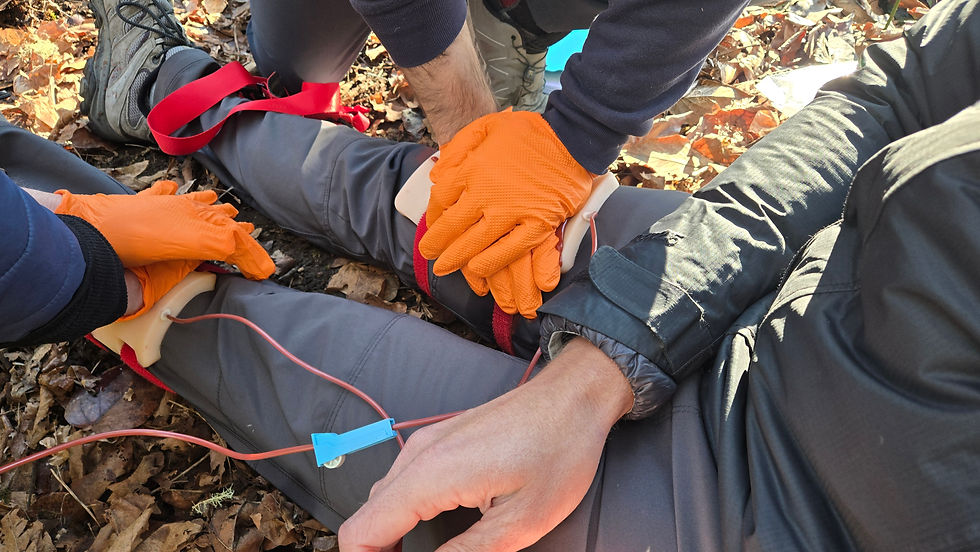
Tourniquet
Hemostatic gauze
Pressure bandage
Chest seals
CPR mask
Emergency blanket
EpiPens (if prescribed)
Follow-On & Medical Care:

Dressings and bandages
Medications
Glucose
Splinting materials
Irrigation syringes
Important Reminder:
Do not carry or use medical equipment you are not trained to use. However, if someone trained is trying to save you, it may pay to carry advanced items.
The purpose of first aid is to preserve life, reduce suffering, and avoid further harm.
Training Is the Multiplier
Gear without training creates false confidence. Training without practice fades.
Medical preparedness requires:
Regular refreshers
Scenario-based practice
Familiarity with your own equipment
MARCH and ABCDE provide structure under stress. They prevent panic, reduce missed injuries, and improve outcomes—whether you’re treating a family member, a coworker, or a stranger.
Water: The First Critical Resource to Fail
In many emergencies, access to clean drinking water disappears quickly—sometimes within hours.
You can survive weeks without food, but only days without water.
Preparedness means:
Storing drinking water
Knowing how to locate, collect, and purify water
This includes:
Water filters
Chemical treatment
Boiling
Understanding water sources and contamination risks
Water isn’t just for drinking—it’s needed for cooking, hygiene, and medical care.
Food: Calories, Nutrition, and Redundancy
Food preparedness goes beyond buying a few extra cans.
At a minimum, I recommend:
Three months of non-perishable, high-calorie food
Freeze-dried foods are an excellent option:
Shelf life up to 25 years
Lightweight
Easy to store
But calories alone aren’t enough. Nutrition matters.
Additional considerations:
Supplementing vitamins and minerals
Learning basic food preservation
Gardening and seed stockpiling (seeds that reproduce)
Basic foraging or hunting knowledge (where legal when rule of law still applies)
Ration planning
Storing food in multiple locations, not all in one place
Shelter and Contingency Planning
Shelter may not be a concern if you can get home—but what if you can’t?

Preparedness means having a plan for:
Being stranded at work
Being unable to access your home
Evacuating quickly
This can include:
Emergency shelter options in your vehicle
Tents or tarps
Pre-arranged drop points at family or friends’ homes
Alternate safe locations

Planning Before the Event
Preparedness is not just equipment—it’s planning.
Every household should consider:
Evacuation plans for different disaster types
Multiple route plans to get home
Communication plans when cell service is down
Call trees for family and trusted contacts
Instructions for children
Transportation limitations and alternatives
And most importantly:
Practice
Buying gear, taking a class, and then never revisiting those skills is a false sense of security. Skills fade. Gear fails. Plans need testing.
Preparedness is a process—not a purchase
Final Thoughts

Preparedness is not about fear.
It’s about responsibility.
Responsibility to yourself, your family, and your community.
The time to prepare is before the event—not during it.
If you don’t train, don’t practice, and don’t plan, you’re relying on luck. And luck is not a strategy.
If your ready to make the next steps toward preparedness, checkout our upcoming classes and the rest of our blog posts.


Comments